
Buying a home is one of the biggest decisions of your life, and choosing between a modern and a traditional house can be challenging. While both styles have their appeal, they reflect very different design philosophies, layouts, and construction approaches. Understanding these differences can help you pick a home that matches your lifestyle, aesthetic preferences, and long-term goals.
This guide explores the features, materials, interiors, exteriors, and pros and cons of modern vs traditional houses. It also offers tips for homebuyers to make an informed choice and compares modern houses to other popular styles, including contemporary homes.
What Is a Modern House?
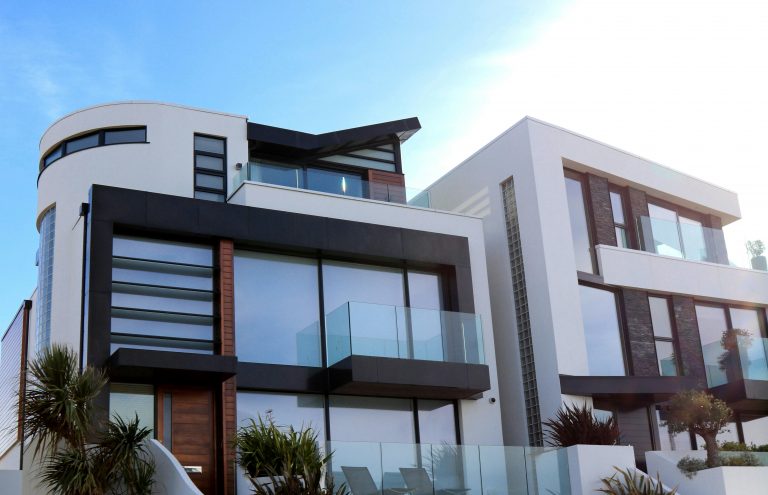
Modern houses are inspired by the architectural movements of the early to mid-20th century. They emphasize simplicity, clean lines, and functional design. The focus is on creating open, uncluttered spaces that integrate with their surroundings and maximize natural light.
Key Features of Modern Houses
- Clean Lines and Geometric Shapes: Flat or low-pitched roofs, rectangular structures, and minimal ornamentation.
- Open Floor Plans: Rooms flow seamlessly into one another for a spacious feel.
- Large Windows: Floor-to-ceiling or expansive windows to connect indoor spaces with the outdoors.
- Minimalist Décor: Functional furniture with a sleek, low-profile design.
- Natural Materials: Wood, stone, concrete, and glass create a clean, harmonious aesthetic.
Modern design emphasizes function over decoration, ensuring every element of the home serves a purpose.
What Is a Traditional House?

Traditional houses draw inspiration from historical architectural styles, often featuring symmetrical designs, decorative details, and a sense of warmth and charm. These homes tend to focus on comfort, coziness, and classic aesthetics rather than minimalist functionality.
Key Features of Traditional Houses
- Symmetry and Classic Lines: Balanced facades, gabled roofs, and evenly spaced windows.
- Decorative Details: Moldings, trims, columns, and other architectural flourishes.
- Defined Rooms: Clear separation between living, dining, and bedroom spaces.
- Warm Color Palettes: Earth tones, soft whites, and warm shades dominate interiors.
- Traditional Materials: Brick, wood siding, stone, and shingles are commonly used.
Traditional homes often evoke a sense of familiarity and comfort, appealing to buyers who value timeless charm.
Interior Design Differences
Modern Home Interiors
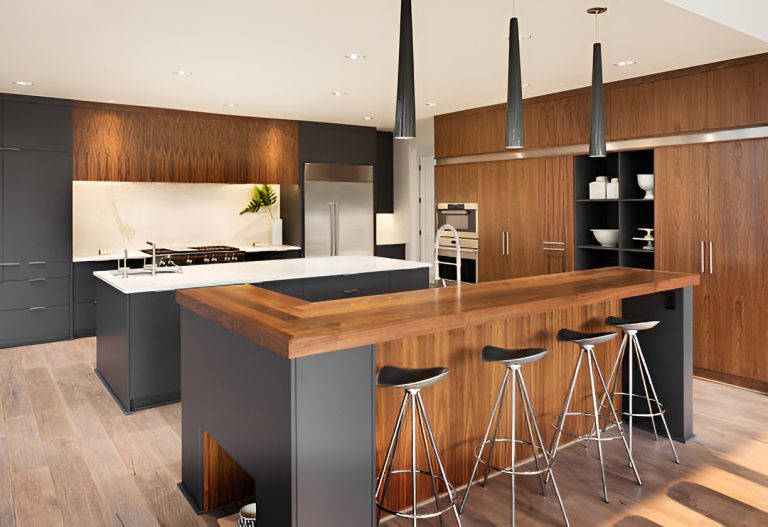
Modern interiors emphasize minimalism and functionality:
- Sleek, low-profile furniture with clean lines
- Minimal décor with simple art and uncluttered surfaces
- Flooring: hardwood, polished concrete, or bamboo
- Lighting is unobtrusive, often recessed or integrated into architecture
Traditional Home Interiors
Traditional interiors favor warmth, detail, and layered textures:
- Rich wood furniture and classic upholstery
- Decorative elements like crown molding, wainscoting, and built-ins
- Flooring: hardwood, patterned rugs, or tile
- Lighting fixtures often include chandeliers or ornate lamps
By comparing interiors, homebuyers can see how modern homes focus on simplicity and flow, while traditional homes prioritize warmth and classic charm.
Exterior Design Differences
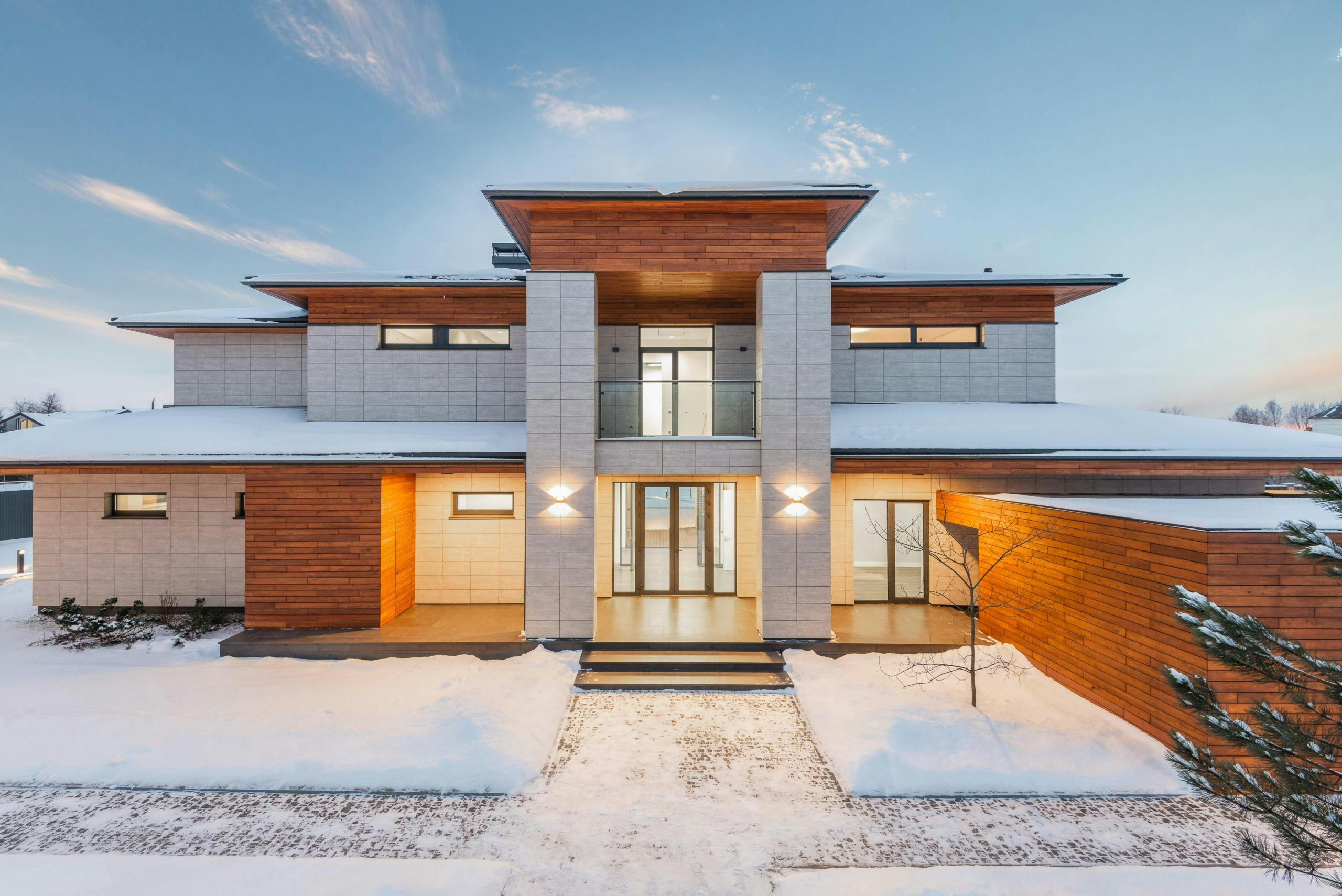
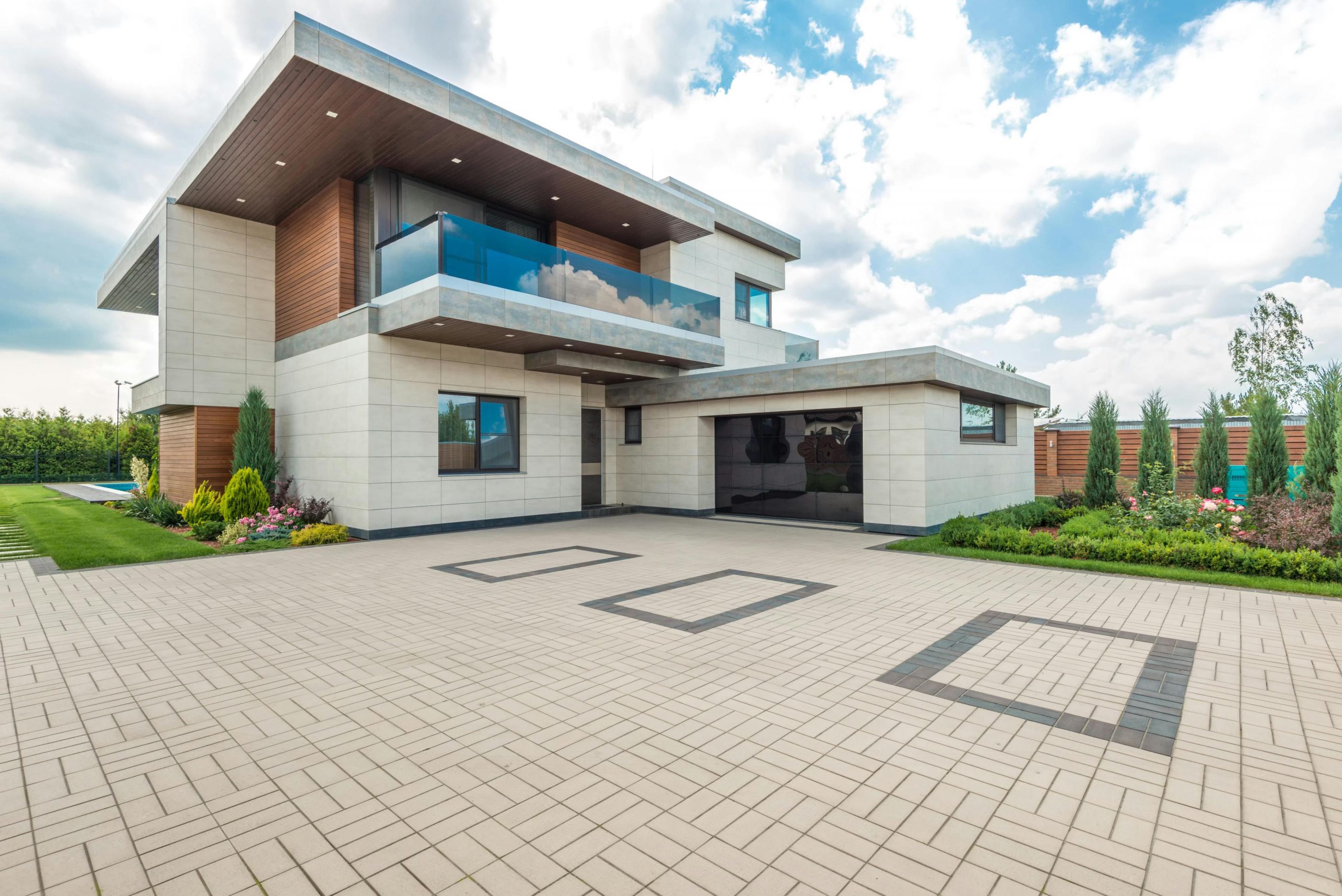
- Modern House Exterior: Flat or low-pitched roofs, geometric shapes, large windows, neutral colors, and natural materials. Landscaping is minimal to complement the clean lines.
- Traditional House Exterior: Gabled or pitched roofs, symmetrical facades, decorative trims, brick or stone exteriors, and layered landscaping with shrubs and flower beds.
Modern homes emphasize simplicity and integration with the surroundings, whereas traditional homes highlight classic aesthetics and detailed craftsmanship.
Modern vs Contemporary Homes: How They Compare
While exploring modern vs traditional houses, it’s helpful to understand the difference between modern vs contemporary homes. Modern homes are rooted in historical 20th-century design, while contemporary homes reflect current trends, flexible layouts, and innovative materials. A contemporary home may incorporate elements from both modern and traditional styles, offering adaptability for homeowners who want a mix of timeless and trendy features.
Pros and Cons
When choosing between a modern home and a traditional one, it helps to understand the strengths and limitations of each style. Both offer unique benefits depending on your lifestyle, design preferences, and long-term plans. Below is an expanded look at the pros and cons of each type to help you decide which best fits your needs.
Modern Houses
Modern homes are known for their sleek lines, open spaces, and emphasis on simplicity. They often blend functionality with aesthetic appeal, but they also come with considerations that may not suit everyone.
Pros:
- Open layouts and natural light: Modern designs typically feature wide, open floor plans and large windows that make rooms feel bright, airy, and spacious.
- Clean, minimalist aesthetic: With uncluttered lines and simple forms, modern homes appeal to those who prefer a sleek, streamlined look.
- Easy to maintain and clean: Fewer decorative details and simple finishes make modern spaces easier to clean and keep organized.
- Energy-efficient features: Many modern houses incorporate eco-friendly materials, insulated windows, and efficient building systems that reduce energy costs.
Cons:
- Can feel cold or impersonal: The minimalist style sometimes lacks warmth or coziness, especially if not balanced with soft furnishings or natural textures.
- May lack traditional charm: Those who love classic architectural elements may find modern spaces too plain or stark.
- Material upkeep: Features like expansive glass panels or concrete surfaces may require regular care to keep them looking new.
Traditional Houses
Traditional homes offer charm, comfort, and a sense of history. They often appeal to families and those who prefer a home with character and well-defined spaces.
Pros:
- Timeless design and warm interiors: Traditional homes often include natural materials, warm colors, and classic layouts that feel welcoming.
- Cozy, defined spaces: Rooms are usually separated with clear functions, making them ideal for families who prefer privacy and structure.
- Architectural character: Details such as crown molding, wood trim, and built-in features provide personality and charm.
- Strong resale appeal: Many buyers are drawn to traditional homes, especially in established neighborhoods with mature landscaping and community history.
Cons:
- Smaller rooms and less open floor plans: Traditional designs may feel more compartmentalized, with less flexibility for large gatherings or modern lifestyles.
- More decorative elements to maintain: Features like wood trim and detailed fixtures require regular upkeep, painting, or refinishing.
- Potentially fewer modern efficiencies: Older traditional homes may lack energy-efficient windows, insulation, or updated HVAC systems unless renovated.
Which Style Is Right for You?
Choosing between modern vs traditional homes depends on personal preference, lifestyle, and long-term goals:
- Choose Modern If:
- You value open layouts and minimalist design
- You enjoy clean lines and natural light
- You prefer low-maintenance materials
- Choose Traditional If:
- You appreciate classic architecture and detailed interiors
- You want defined rooms for family living
- You enjoy warm colors and cozy spaces
- Blended Approach: Many homeowners incorporate modern features in traditional homes or add traditional touches to modern homes for balance and personalization.
Tips for Homebuyers
- Visit Multiple Homes: Walk through both modern and traditional houses to understand the feel of spaces, flow, and light.
- Evaluate Materials and Maintenance: Consider upkeep for natural or decorative materials versus low-maintenance modern finishes.
- Consider Resale Value: Modern homes appeal to buyers seeking minimalist and functional design, while traditional homes attract those valuing charm and history.
- Think About Lifestyle: Open layouts, room definitions, and flow should match your daily routines and family needs.
- Mix Styles If Desired: Don’t be afraid to combine modern and traditional elements for a home that fits your personality.
Conclusion
Understanding the differences between modern vs traditional houses is essential for making an informed homebuying decision. Modern homes emphasize minimalism, clean lines, and functional layouts, while traditional homes focus on warmth, classic details, and cozy interiors. Considering your lifestyle, aesthetic preferences, and long-term goals will help you select a home that is both beautiful and practical. With careful evaluation, homebuyers can confidently choose the style that aligns with their vision, ensuring their home is a place of comfort, style, and lasting value.
About the Author