Buying a home involves many decisions, and one of the most confusing for buyers is distinguishing between modern and contemporary styles. While these terms are often used interchangeably, they refer to different design philosophies and aesthetics. Understanding the distinctions can help you choose a home that matches your lifestyle, taste, and long-term plans.
This guide breaks down modern vs contemporary homes, exploring their design principles, materials, layouts, and interior features. It also offers practical advice for homebuyers looking to make an informed choice.
What Is a Modern Home?
Modern homes refer to a design style that emerged in the early to mid-20th century. It’s characterized by simplicity, clean lines, and functional design. Modern architecture focuses on minimalism, open spaces, and integration with the surrounding environment.
Key Features of Modern Homes
- Clean Lines and Geometric Shapes: Modern homes often feature flat roofs, rectangular shapes, and uncluttered facades.
- Natural Materials: Wood, stone, and concrete are commonly used to create a sense of harmony with nature.
- Open Floor Plans: Rooms flow into one another without unnecessary partitions, creating spacious interiors.
- Neutral Color Palettes: Shades of white, beige, gray, and black dominate modern interiors.
- Large Windows: Floor-to-ceiling windows maximize natural light and connect indoor spaces with the outdoors.
Modern design emphasizes functionality over ornamentation. Every feature serves a purpose, and unnecessary decorative elements are avoided.
What Is a Contemporary Home?

Contemporary homes, by contrast, reflect current design trends and evolving architectural styles. Unlike modern homes, contemporary design is not tied to a specific historical period. It changes over time and often incorporates elements from various styles, including modern, minimalist, industrial, and eco-friendly designs.
Key Features of Contemporary Homes
- Flexible Design: Contemporary homes adapt to current trends, often blending modern, traditional, and minimalist elements.
- Varied Materials: Glass, metal, concrete, and sustainable materials are commonly used in contemporary designs.
- Curved or Asymmetrical Lines: Unlike the strict geometric forms of modern homes, contemporary homes can feature fluid, dynamic shapes.
- Neutral with Bold Accents: Contemporary interiors often use neutral colors with bold pops of color for visual interest.
- Energy Efficiency: Contemporary homes often incorporate eco-friendly technologies, such as solar panels, smart systems, and sustainable materials.
Contemporary design emphasizes creativity, sustainability, and the use of innovative materials while keeping interiors functional and visually appealing.
Modern vs Contemporary: Design Comparisons
Here’s a side-by-side comparison to clarify the differences:
| Feature | Modern Home | Contemporary Home |
| Time Period | Early–mid 20th century | Current trends (evolving style) |
| Lines & Shapes | Clean, straight, geometric | Fluid, curved, asymmetrical |
| Materials | Wood, stone, concrete | Glass, metal, sustainable, varied |
| Color Palette | Neutral and muted | Neutral with bold accent options |
| Floor Plan | Open, functional | Flexible, adaptive to lifestyle |
| Windows | Large, floor-to-ceiling | Expansive, but can include unique shapes |
| Technology | Minimal technology integration | Smart home systems, eco-friendly design |
This table highlights how modern homes are rooted in a historical design philosophy, while contemporary homes reflect current tastes and future-forward trends.
Interior Design Differences
When it comes to interior design, modern and contemporary homes have distinct characteristics that reflect their underlying philosophies. Understanding these differences can help homebuyers decide which style aligns best with their tastes and lifestyle.
Modern Home Interiors
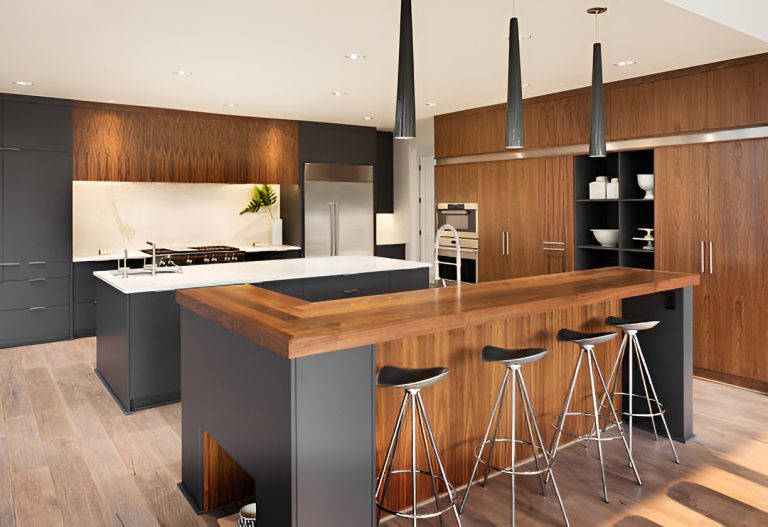
Modern interiors are grounded in simplicity, minimalism, and functionality. Furniture in modern homes is typically sleek, low-profile, and designed to serve a purpose without overpowering the space. Clean lines and smooth surfaces dominate, creating a streamlined aesthetic. Decorative elements are kept minimal, with simple artwork, carefully placed accessories, and uncluttered surfaces that highlight the architecture and spatial flow.
Flooring often includes:
- Hardwood for warmth and elegance
- Polished concrete for a clean, industrial feel
- Bamboo or other natural materials for sustainability
Lighting in modern interiors is usually unobtrusive and practical. Recessed lights, wall-mounted fixtures, or integrated architectural lighting provide illumination without drawing attention away from the overall design. Large windows are another key feature, allowing natural light to flood rooms, enhancing the sense of openness and connection to the outdoors.
Contemporary Home Interiors
Contemporary interiors, on the other hand, reflect current trends and embrace creativity and flexibility. They often combine a mix of materials and textures, including metal, glass, stone, and fabric, to add depth and interest. Furniture may be bold, sculptural, or statement-making, allowing homeowners to showcase personality and taste.
Key elements of contemporary interiors include:
- Open floor plans that encourage flow between living spaces
- Statement lighting fixtures that serve both functional and decorative purposes
- Accent walls, bold colors, or unique finishes to create visual focal points
Unlike modern interiors, contemporary design allows for experimentation. Homeowners can blend various styles, textures, and materials while maintaining a balanced and cohesive look. The result is a space that feels both stylish and adaptable, reflecting current design trends without sacrificing comfort or functionality.
By understanding these interior differences, homebuyers can make informed decisions, choosing a style that matches their vision—whether they prefer the timeless minimalism of modern interiors or the flexible, trend-driven approach of contemporary design.
Exterior Design Differences
The exterior of a home is often the first impression and a defining feature of its style. Modern and contemporary homes showcase distinct approaches to architecture, materials, and design philosophy, making it important for homebuyers to recognize these differences.
Modern Home Exteriors
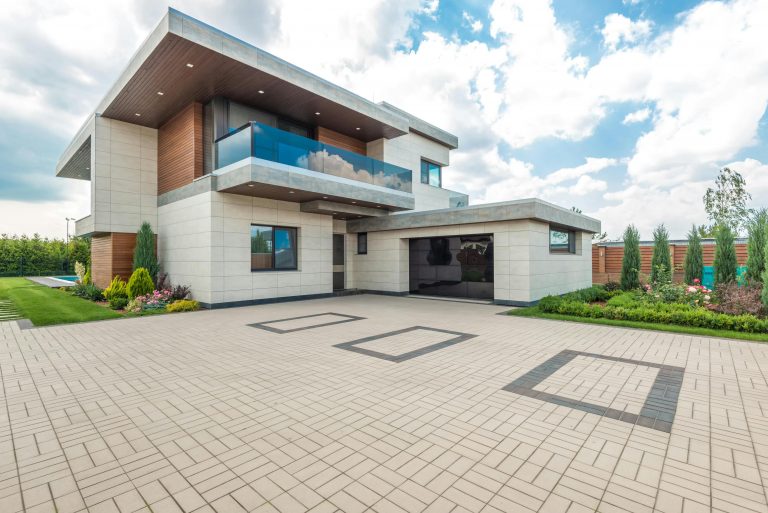
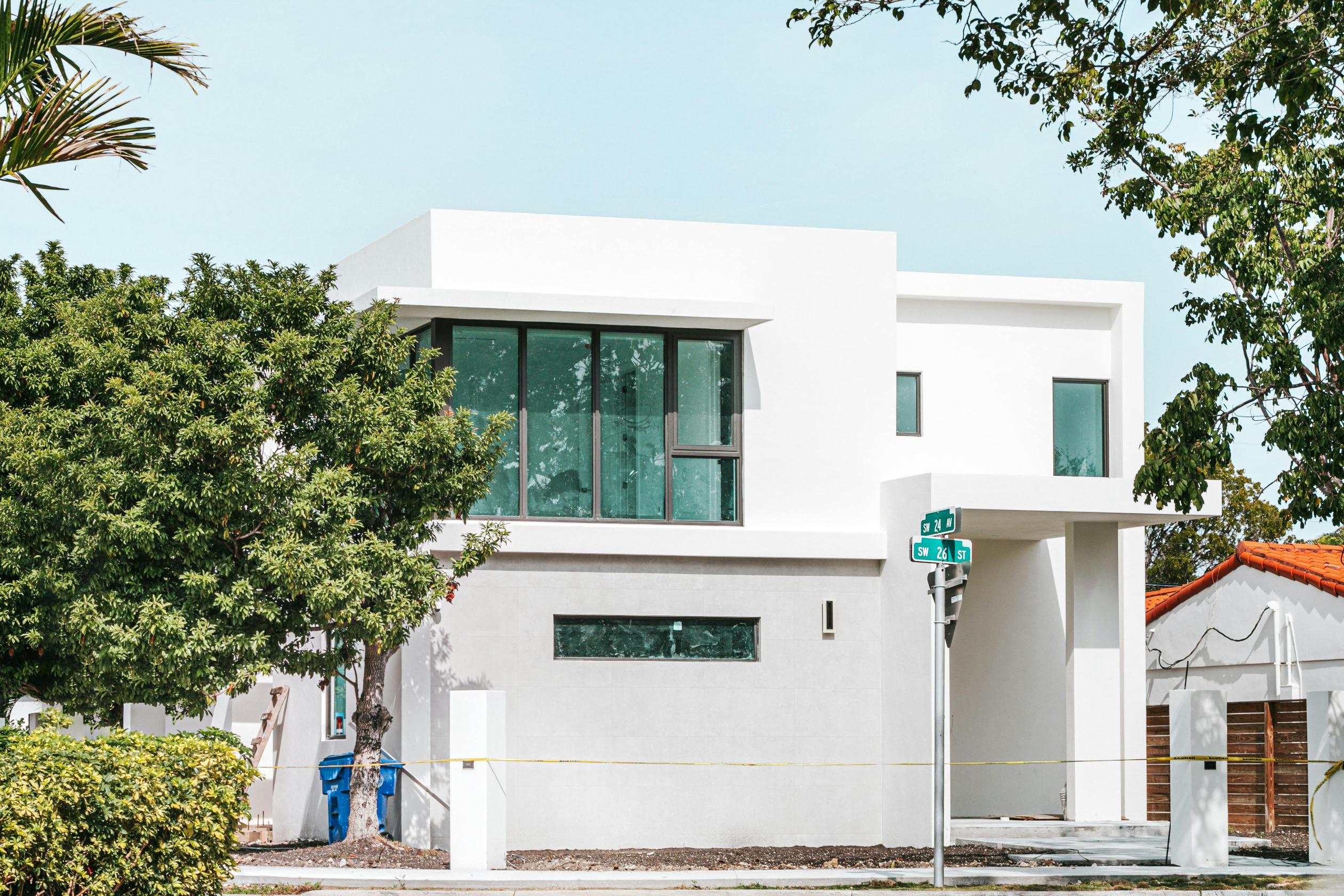
Modern homes are rooted in the design principles of the early to mid-20th century. They emphasize clean lines, geometric shapes, and simplicity. Flat or low-pitched roofs, rectangular structures, and large windows are signature features. The goal is to create a functional, uncluttered appearance that harmonizes with the surrounding environment.
Key exterior elements of modern homes include:
- Materials: Natural elements like wood, stone, and concrete are often used to create a timeless look.
- Windows: Large, floor-to-ceiling windows connect indoor and outdoor spaces, maximizing natural light.
- Color Palette: Neutral tones such as whites, grays, and earthy shades dominate the exterior.
- Landscaping: Minimalist landscaping complements the home’s clean lines, often using grasses, shrubs, and stone pathways rather than elaborate gardens.
Contemporary Home Exteriors
Contemporary homes, in contrast, focus on current trends and flexibility. They often incorporate innovative materials, sustainable designs, and dynamic shapes. Unlike modern homes, which favor strict geometric lines, contemporary homes may include curved roofs, asymmetrical facades, and bold architectural statements.
Key features of contemporary exteriors include:
- Materials: Glass, metal, concrete, and eco-friendly materials are commonly used.
- Design: Unique shapes, layered facades, and open outdoor spaces create visual interest.
- Color and Texture: Neutral bases with bold accents or mixed textures, such as metal panels or stone veneers.
- Sustainability: Energy-efficient designs, green roofs, and solar panels are often integrated.
While modern exteriors focus on timeless simplicity and blending with the environment, contemporary exteriors embrace creativity, innovation, and eco-conscious design. Understanding these differences helps homebuyers identify the style that best suits their aesthetic preferences, functional needs, and long-term vision for their home.
Which Style Is Right for You?
Choosing between modern vs contemporary homes depends on your preferences, lifestyle, and long-term goals:
- Choose Modern If:
- You prefer timeless, minimalist design.
- You value clean, functional spaces with natural materials.
- You appreciate historical architectural integrity.
- Choose Contemporary If:
- You enjoy flexibility and evolving design trends.
- Sustainability and energy efficiency are priorities.
- You like dynamic, creative spaces with bold accents.
Tips for Homebuyers
Choosing between a modern and a contemporary home can feel overwhelming, especially when both styles offer appealing features. To make an informed decision, consider the following tips that focus on lifestyle, materials, and long-term value.
- Visit Multiple Homes
Seeing homes in person is the best way to understand how each style feels. While photos can highlight design features, nothing compares to walking through spaces to assess light, flow, and room sizes. Pay attention to how furniture fits, how natural light fills the rooms, and whether open floor plans suit your daily living needs.
- Evaluate Materials and Maintenance
The materials used in modern and contemporary homes vary significantly. Modern homes often feature natural elements such as wood, stone, or concrete, which provide timeless beauty but may require regular upkeep. Contemporary homes frequently incorporate advanced or sustainable materials, including metal, glass, and smart home systems, which may reduce maintenance but come with higher installation costs. Consider your willingness and budget for upkeep when choosing between the two styles.
- Consider Resale Value
Resale potential is another factor to keep in mind. Contemporary homes may appeal to buyers who prioritize current trends, innovative designs, and eco-friendly features. Modern homes, however, attract buyers who appreciate classic, timeless style and minimalistic design. Understanding your local market and target buyers can help you make a choice that benefits you in the long term.
- Think About Personal Lifestyle
Your lifestyle should guide your decision. Consider how your family uses the space, whether you entertain often, or if you value privacy and quiet areas. Open floor plans, room flow, lighting, and storage options all affect daily comfort. Choose a home style that complements your routines, hobbies, and overall way of living.
By following these tips, homebuyers can confidently evaluate both modern and contemporary options, ensuring their choice matches not only their aesthetic preferences but also their functional needs and long-term goals.
Blending Modern and Contemporary Styles
Many homeowners opt to blend elements of both styles. For example:
- Using a modern open floor plan with contemporary furniture and lighting.
- Incorporating sustainable materials and smart home systems in a classic modern structure.
- Mixing neutral modern palettes with bold contemporary accent walls.
Blending allows for personalization while benefiting from the strengths of both design philosophies.
Conclusion
Understanding the differences between modern vs contemporary homes helps buyers make informed decisions. Modern homes offer timeless simplicity, clean lines, and functional design, while contemporary homes provide flexibility, sustainability, and current trends. When choosing a home, consider your personal style, lifestyle needs, and long-term goals. Visiting homes, evaluating materials, and imagining daily living in each space will help you select a home that not only looks beautiful but also feels comfortable and functional. By understanding these distinctions, you can confidently navigate the home buying process and select a home that perfectly matches your vision.
About the Author