
Highlights:
- Prioritize upgrades that improve function and daily usability before investing in purely aesthetic features.
- Invest in durable, high-quality cabinets, countertops, and flooring—they transform the kitchen and last for years.
- Choose appliances and lighting that balance efficiency, practicality, and style without overspending on single-use gadgets.
- Smart storage solutions and an efficient layout enhance workflow and make the kitchen more user-friendly.
- Focus on timeless design elements, neutral colors, and classic finishes to keep the kitchen looking modern for years.
- Skip low-return features like overly trendy decor, specialty gadgets, or ultra-luxury finishes that don’t add long-term value.
- Budget carefully by allocating funds to high-impact areas, comparing materials and contractors, and doing minor DIY tasks when feasible.
Updating your kitchen can completely transform the heart of your home. But a modern kitchen remodel can also be overwhelming — with countless choices, styles, and price points, it’s easy to spend more than necessary. The key is knowing what upgrades truly add value and which ones you can skip without regret.
This guide breaks it down in a casual, practical way to help homeowners make smart decisions.
Why Invest in a Modern Kitchen Remodel?
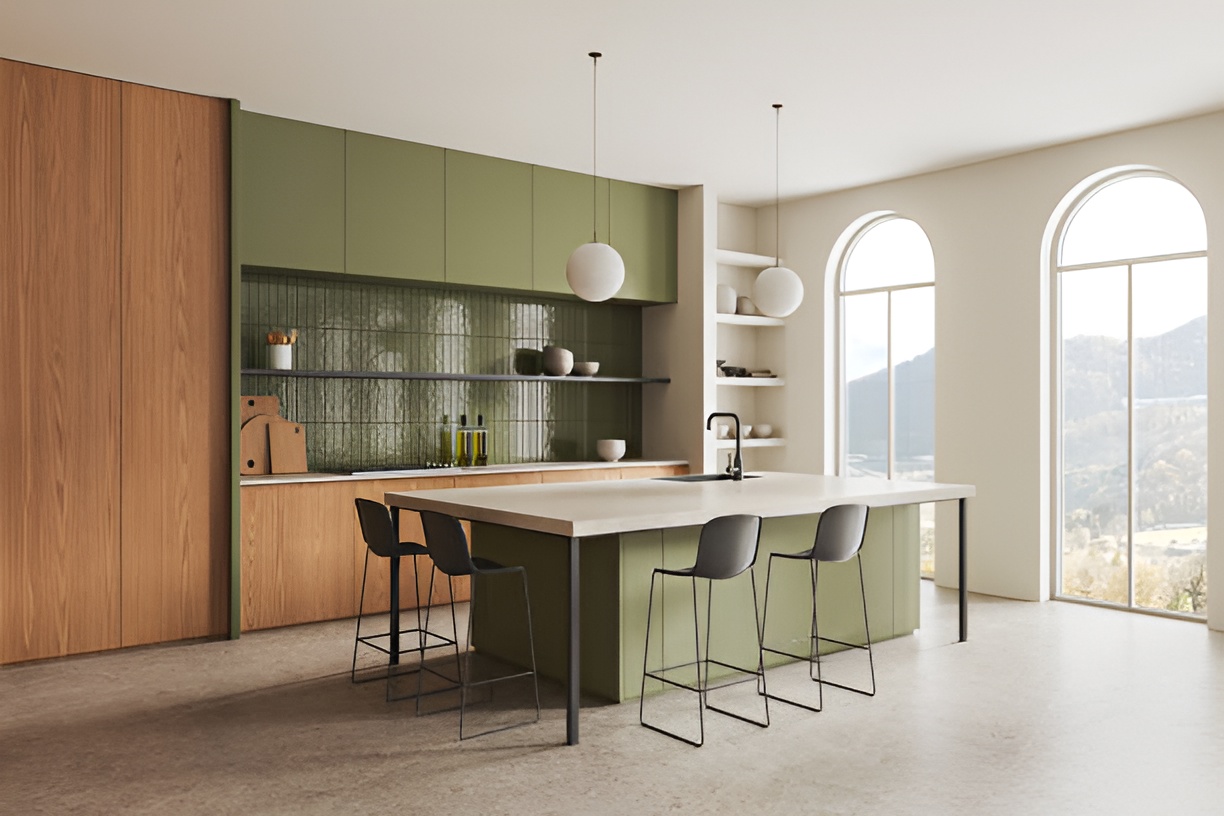
The kitchen is often the first thing potential buyers notice, and even if you’re not planning to sell, it’s a space you’ll use daily. A thoughtful remodel can improve functionality, aesthetics, and overall home value.
Focusing on remodels that add value to a home ensures that the money you invest provides both practical benefits and a strong return if you ever decide to sell.
Some of the key benefits of a kitchen remodel include:
- Increased home value: Certain upgrades are proven to deliver a strong return on investment.
- Better efficiency: Modern layouts, smart appliances, and improved storage make daily life easier.
- Enhanced aesthetics: A fresh design can bring your personal style to the space.
- Safety improvements: Updated wiring, ventilation, and appliances reduce potential hazards.
However, not every upgrade is worth the cost. Let’s explore which choices pay off and which ones you can skip.
How to Prioritize Upgrades in Your Kitchen
Before spending a single dollar, it’s smart to create a plan. Start by asking yourself:
- What are the main problems with my current kitchen? Are there workflow issues, worn-out cabinets, or outdated appliances?
- Which upgrades will make the biggest impact on daily life? Think about convenience, efficiency, and usability.
- What’s my budget, and where do I want to allocate it? Knowing your limits helps avoid overspending on trendy features.
Here’s a practical way to prioritize:
- Fix structural and functional issues first – Plumbing leaks, outdated electrical wiring, or damaged flooring can cause long-term problems if ignored. Addressing these first prevents costly repairs down the line.
- Invest in high-impact aesthetic changes – Cabinets, countertops, and lighting are highly visible elements that transform the look and feel of your kitchen. Quality materials here can make the remodel feel more luxurious.
- Add appliances and finishes selectively – Focus on appliances you’ll actually use. For example, a high-end oven is worth it if you cook often, but a specialty wine fridge may be unnecessary.
- Skip low-return cosmetic tweaks – Small decor updates like fancy hardware or trendy paint colors can wait until after major renovations. They add style but won’t affect function or value significantly.
By tackling the essentials first, you ensure your remodel is both practical and stylish, and you avoid getting caught up in features that don’t matter in the long run.
Cabinets: Splurge or Save?
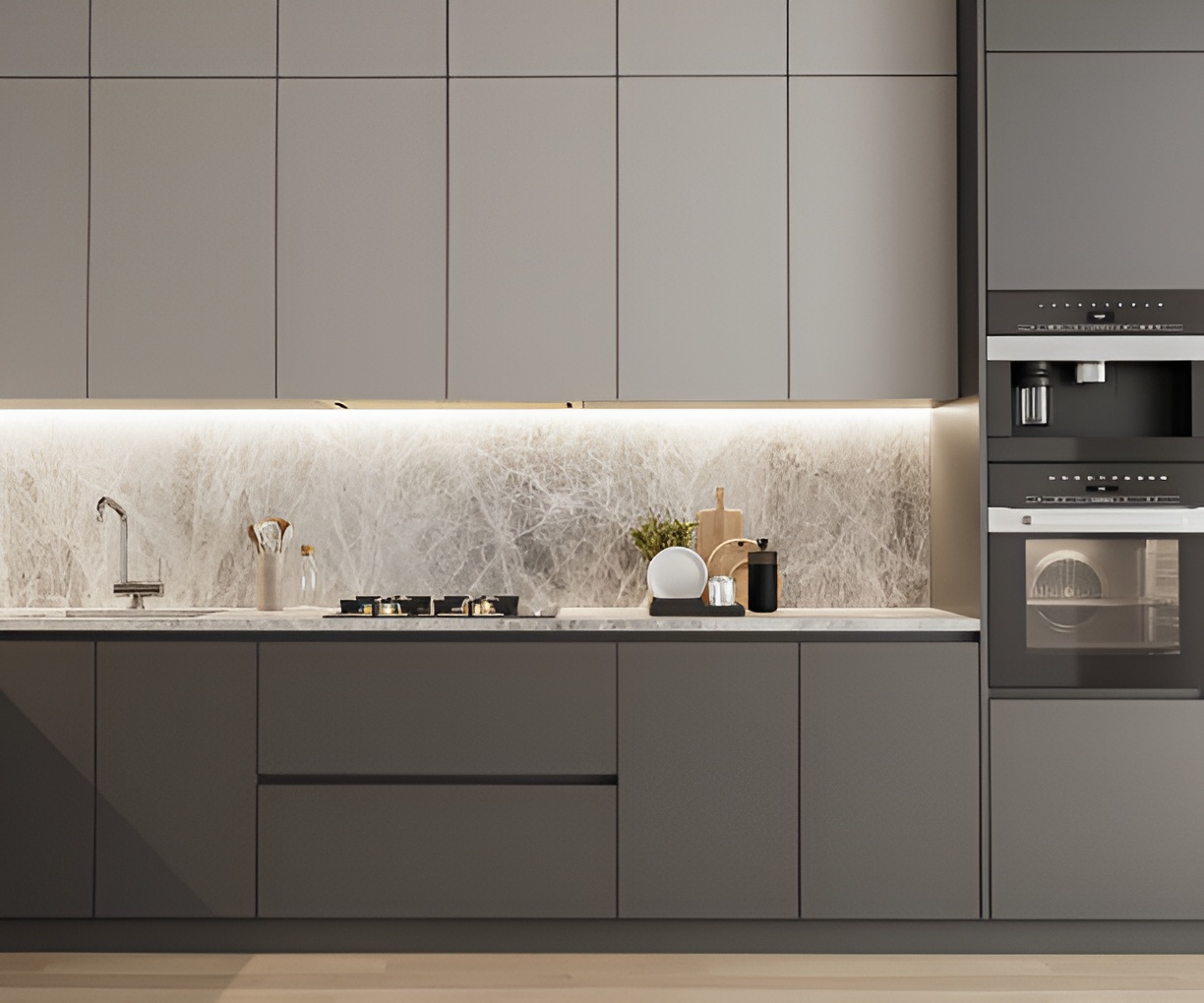
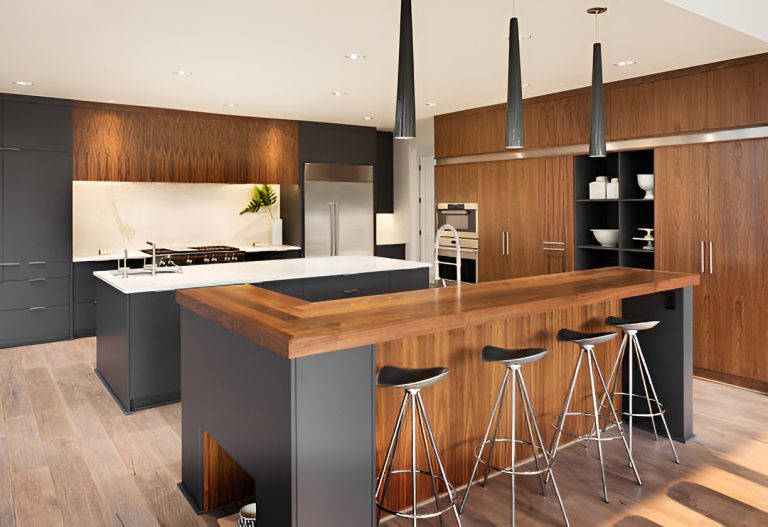
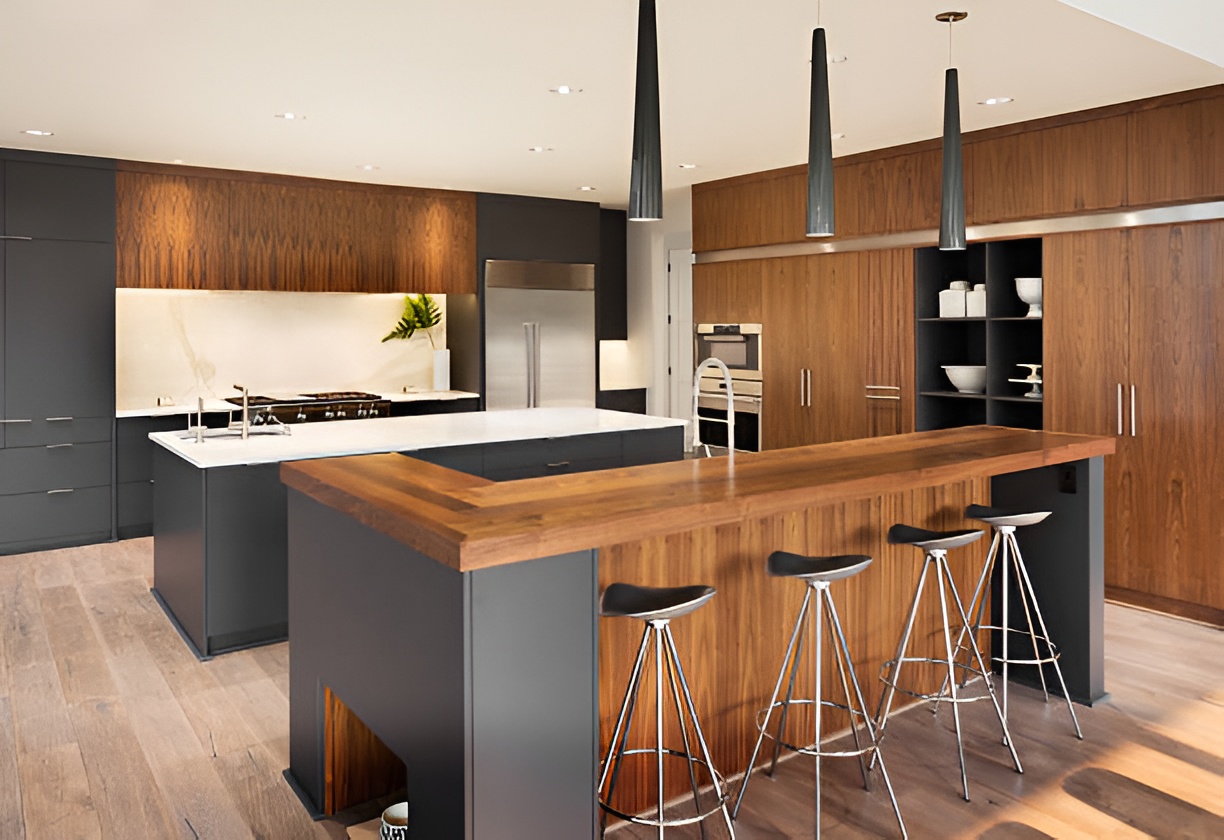
Cabinets are the backbone of any kitchen remodel. They take up the most visual space, define the room’s style, and heavily influence the budget.
Worth Spending On:
- Solid wood or high-quality engineered options – They last longer, resist wear and tear, and maintain a polished look for years. Think cherry, maple, or durable plywood options.
- Soft-close drawers and doors – These reduce wear on hinges and create a subtle sense of luxury without breaking the bank.
- Custom storage solutions – Pull-out pantry shelves, deep drawers for pots, and organizers for utensils make everyday tasks easier and keep countertops clutter-free.
Skip or Save On:
- Overly ornate designs that date quickly. Trends like highly carved detailing or overly glossy finishes may feel outdated in a few years.
- Expensive custom finishes for hidden areas, such as cabinet sides or backs. Focus your money where it’s visible.
- DIY painted cabinets if the finish won’t hold up. Sometimes mid-range cabinets professionally finished provide a more durable, polished look.
Countertops: Marble, Quartz, or Laminate?
Countertops are both functional and highly visible. They need to withstand daily use, look great, and complement the rest of the kitchen.
Worth Spending On:
- Quartz countertops – Highly durable, low-maintenance, and available in a wide range of styles and colors. They resist stains and scratches, making them ideal for busy kitchens.
- Butcher block in limited areas – Adds warmth and works well in prep zones without dominating the budget. Properly sealed, it can last years.
Skip or Save On:
- Real marble everywhere – Beautiful, but it scratches and stains easily. Consider it only as a feature piece or small section like an island top.
- Ultra-expensive exotic stones for full coverage – They may look impressive but don’t always offer additional functionality. High-quality laminate or quartz mimics often achieve a similar look at a fraction of the cost.
Flooring: Durable Matters
The right flooring can handle spills, heavy foot traffic, and the test of time. A modern kitchen remodel is not just about looks; durability matters.
Worth Spending On:
- Porcelain or ceramic tile – Extremely long-lasting, water-resistant, and easy to clean. Ideal for busy kitchens with high traffic.
- Engineered hardwood – Offers the warmth of wood but resists moisture better than traditional hardwood.
- Luxury vinyl plank (LVP) – Durable, budget-friendly, and available in realistic wood and stone finishes.
Skip or Save On:
- Cheap laminate that peels, dents, or warps after a few years.
- Overly trendy flooring patterns or colors that might feel dated quickly; opt for classic, neutral designs that can last a decade or more.
Appliances: When to Upgrade
Modern appliances are sleek, efficient, and can transform your cooking experience. However, not every high-tech gadget is necessary.
Worth Spending On:
- Energy-efficient refrigerators, ovens, and dishwashers – Save money on energy bills and add value if you ever sell. Look for Energy Star-rated appliances.
- A reliable range hood – Improves air quality, removes cooking odors, and protects walls and ceilings from grease buildup.
Skip or Save On:
- Single-use gadgets like wine fridges or built-in espresso machines unless they are part of your daily routine.
- Extremely high-end smart appliances that duplicate existing functions; sometimes simpler models deliver the same performance at a lower cost.
Lighting: Functional and Stylish
Lighting is often overlooked but can dramatically improve both functionality and aesthetics in a modern kitchen remodel.
Worth Spending On:
- Layered lighting – Combine overhead fixtures, under-cabinet lights, and pendant lighting above islands or dining spaces. This creates both ambiance and task lighting.
- LED fixtures – Long-lasting, energy-efficient, and available in a variety of colors and styles.
- Task lighting – Ensure prep areas, sinks, and cooking zones are well-lit for safety and convenience.
Skip or Save On:
- Overly elaborate chandeliers that overpower the space or clash with the overall design.
- Decorative lighting in areas that rarely get used; practicality matters more than style in these zones.
Backsplashes: Impact Without Overdoing
A backsplash is an easy way to add personality, color, and texture to your kitchen, but it’s also easy to overspend.
Worth Spending On:
- Classic subway tiles – Timeless, versatile, and easy to clean.
- Durable, easy-to-clean materials – Glass, ceramic, or stone composites ensure your backsplash remains functional and low-maintenance.
Skip or Save On:
- Intricate mosaic patterns across the entire wall unless it’s a deliberate focal point. Small sections or accent areas are enough.
- Overly trendy colors that may not appeal to future buyers or may feel outdated in a few years.
Kitchen Layout: Does It Flow?
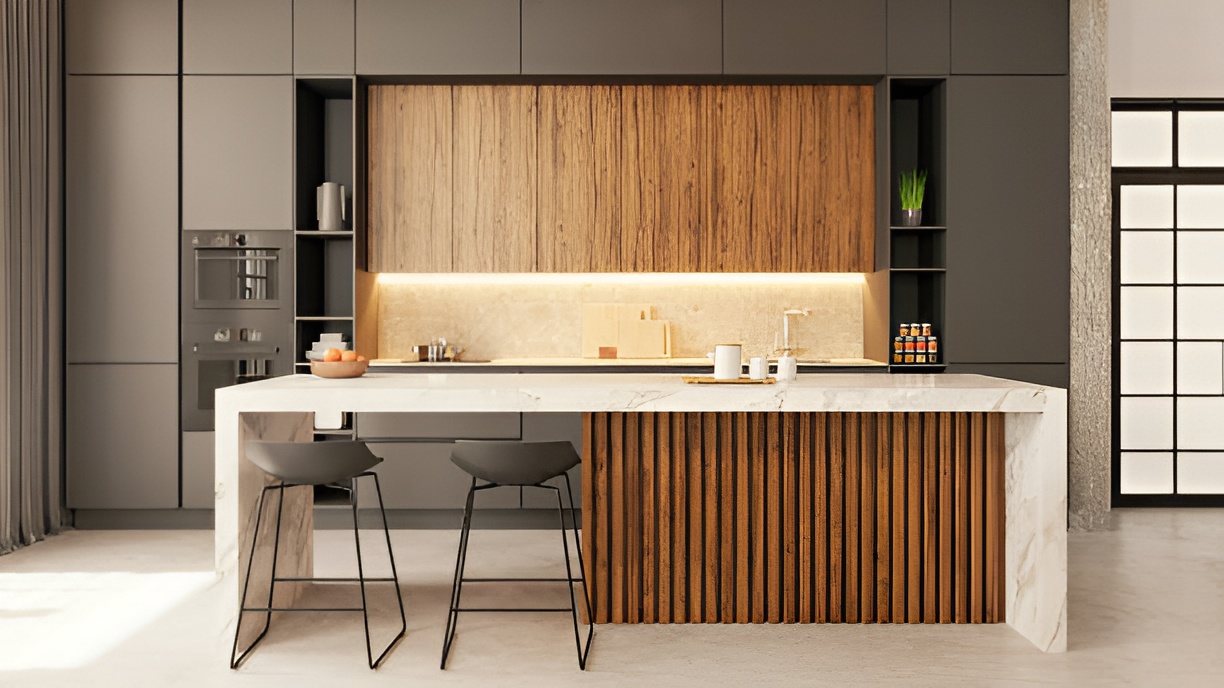
A modern kitchen remodel isn’t just about visual appeal; functionality is key. Even small layout tweaks can have a big impact.
Ask yourself:
- Is there enough counter space near the stove, sink, and fridge for easy prep and cleanup?
- Do you have a clear “work triangle” to make cooking efficient?
- Will adding an island improve flow, or will it create congestion in a small space?
Sometimes moving a sink, stove, or fridge slightly can make a bigger difference than fancy finishes. Focus on creating a layout that makes cooking and cleaning easy.
Safety First: Don’t Forget the Essentials
Updating your kitchen isn’t just about aesthetics. You should also consider practical safety. This includes home remodel safety considerations such as:
- Ensuring electrical outlets are GFCI-protected near water sources.
- Installing proper ventilation to prevent smoke or gas buildup.
- Using non-slip flooring, especially in wet areas.
- Properly securing cabinets and heavy appliances.
Keeping safety in mind prevents costly mistakes and protects your family.
Features That Really Add Value
If your goal is resale value, some upgrades consistently deliver a strong return:
- High-quality cabinetry and countertops
- Energy-efficient appliances
- Well-planned lighting and layout
- Durable, attractive flooring
Investing in these areas ensures your kitchen is functional, stylish, and appealing to potential buyers.
Features That Can Wait or Be Skipped
Certain additions look impressive but don’t always deliver long-term value:
- Over-the-top smart gadgets or built-in luxury items
- Excessive decorative touches that are difficult to maintain
- Specialty counters or flooring that may clash with future trends
- Ultra-expensive finishes that appeal to a narrow audience
A modern kitchen should strike a balance between style, function, and cost. Focus on features that enhance usability and appeal, rather than chasing every trend.
Storage Solutions: Maximize Without Overbuilding
Smart storage is one of the hallmarks of a well-designed kitchen. Key ideas include:
- Pull-out pantry shelves for easy access to dry goods
- Deep drawers for pots, pans, and bulky items
- Corner carousels or lazy Susans to use dead space efficiently
- Open shelving for frequently used dishes and utensils
Avoid overcomplicating storage with too many built-ins, which can raise costs and reduce flexibility for future changes.
Color and Style: Timeless Over Trendy
While trends can inspire, sticking to a timeless palette ensures your kitchen remains stylish for years:
- Safe bets: white, gray, navy, or warm neutrals create a clean, adaptable base.
- Accent colors: inject personality through backsplashes, cabinet hardware, or appliances.
- Avoid overly bold colors for cabinets or walls that may quickly feel dated.
Budgeting Tips: Spend Wisely
Even a modern kitchen remodel can stay within budget with careful planning:
- Allocate most of your budget to high-impact areas such as cabinets, countertops, and flooring.
- Consider mid-range appliances that perform well without overspending.
- DIY minor tasks like painting or installing hardware if confident in your skills.
- Get multiple quotes from contractors and compare materials carefully to ensure the best value.
How to Know If a Remodel is Worth It
Ask yourself these questions:
- Will this upgrade improve my daily life?
- Will it increase my home’s value if I plan to sell?
- Does it fit my overall kitchen style and layout?
- Is it safe, durable, and low-maintenance?
Focusing on functional, high-impact updates ensures your remodel is money well spent.
Final Thoughts
A modern kitchen remodel is one of the most rewarding home projects you can undertake — but only if you spend wisely. Focus on upgrades that improve functionality, aesthetics, and safety, while skipping features that don’t add lasting value.
By prioritizing cabinets, countertops, lighting, appliances, and layouts, you can create a kitchen that’s beautiful, practical, and truly worth the investment. Thoughtful planning ensures you enjoy your space for years, whether for daily life or future resale.
About the Author