
Transforming everyday comfort within the home often begins with intentional upgrades that improve how each room feels, functions, and supports daily routines. Comfort is more than soft furnishings or stylish décor. It includes the flow of the space, the temperature, the lighting, the quality of materials, and the ease with which people move through their environment. Homes that incorporate thoughtful improvements tend to feel calmer, more functional, and more tailored to the needs of those who live in them. When homeowners focus on comfort-driven upgrades rather than quick fixes or decorative changes alone, they create spaces that support well-being in meaningful ways.
Everyday comfort also evolves as lifestyles and household needs change. A home that felt sufficient years ago may no longer support current routines, whether due to growing families, remote work demands, or personal preferences. Upgrading key areas of the home can help resolve strain points, reduce clutter, improve temperature consistency, and create more enjoyment in both shared and private spaces. These improvements can also enhance a home’s long-term value, making it more appealing to future buyers while still benefiting current residents.
Comfort-centered home upgrades should be approached with a balance of practicality and creativity. The most effective improvements seamlessly blend style and function, addressing both immediate needs and long-term lifestyle goals. Whether enhancing airflow, updating flooring, improving storage, or redesigning high-use areas, each upgrade contributes to an environment that supports healthier, happier daily living. By focusing on thoughtful improvements rather than trends, homeowners can create spaces that remain comfortable, adaptable, and enjoyable for years to come.
Enhancing Comfort in Primary Living Spaces
Primary living spaces serve as the central hub of the home, making comfort a top priority in these areas. The living room, family room, or den is often where people relax after long days, entertain guests, and spend time connecting with loved ones. Ensuring that these spaces are visually appealing, inviting, and functional helps create a positive atmosphere throughout the home. Upgrades such as improved lighting, comfortable seating arrangements, updated furnishings, and better room flow can significantly enhance how these areas feel. As families spend more time together at home, the importance of cozy, well-organized living spaces becomes even more apparent.
In many homes, the condition of the flooring plays a major role in comfort, durability, and overall design. Investing in epoxy flooring can provide a smooth, modern, low-maintenance surface that enhances both the look and usability of high-traffic living areas. This material is known for its durability and resistance to wear, making it ideal for busy households that need flooring capable of handling constant activity. It also provides a clean, seamless appearance that can brighten and elevate the overall aesthetic of the space. By incorporating durable and visually appealing flooring, homeowners can significantly enhance long-term comfort and functionality in their main living areas.
Improving Sleep Quality Through Bedroom Upgrades
A restful bedroom is essential for maintaining health, mood, productivity, and overall well-being. Sleep quality is directly affected by the design and condition of the bedroom environment. Elements such as temperature, lighting, mattress comfort, noise control, and organization all contribute to the quality of rest a person receives each night. When a bedroom feels peaceful and uncluttered, it becomes easier to fall asleep and stay asleep. Upgrades that promote relaxation, reduce visual stress, and improve airflow can transform the bedroom into a true sanctuary, supporting better sleep and more restorative nights.
One of the most effective ways to improve bedroom comfort is by enhancing organization and reducing clutter, as visual mess can increase stress and make a room feel chaotic. Installing custom closets helps maximize storage space and streamline the layout of the bedroom, allowing everything to have a designated place. A well-designed closet system improves room flow, reduces clutter piles, and makes daily routines easier by ensuring clothing and accessories are neatly arranged and accessible. With customized storage, homeowners can create a cleaner, calmer environment that supports more restful nights and more peaceful mornings.
Creating a More Functional and Inviting Kitchen
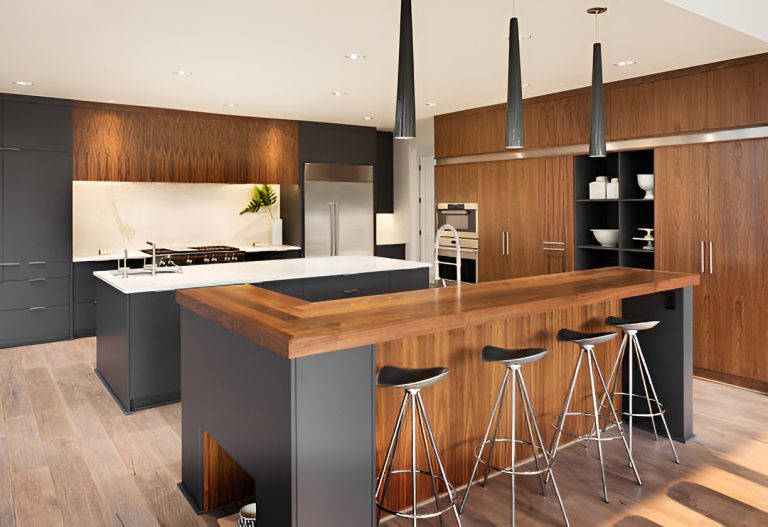
The kitchen is one of the most frequently used spaces in a home, serving as both a practical workspace and a gathering spot for family and friends. When a kitchen is organized, visually appealing, and easy to navigate, it can significantly improve daily routines and increase enjoyment during meal preparation. Functional improvements such as better lighting, updated appliances, improved storage, and streamlined layouts make cooking easier and more efficient. A welcoming kitchen encourages connection, supports healthier eating habits, and becomes a central place where people naturally gather throughout the day.
For many homeowners, transforming the kitchen into a more functional space begins with a kitchen remodel that focuses on long-term comfort and usability. A remodel can reconfigure outdated layouts, add modern storage solutions, and integrate appliances that improve workflow. Whether expanding counter space, adding an island, or upgrading cabinetry, a remodel helps create a kitchen that feels more intuitive and enjoyable to use.
Updating Bathrooms for Relaxation and Convenience
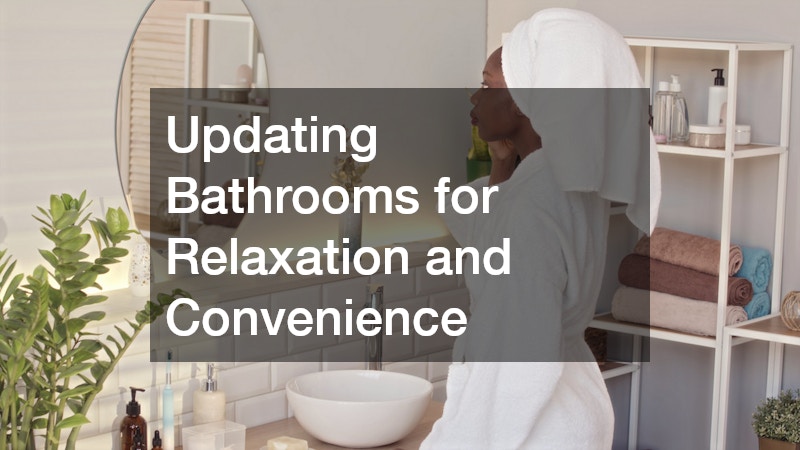
Bathrooms play a major role in everyday comfort, serving as spaces for both routine tasks and personal relaxation. When a bathroom feels clean, updated, and intentionally designed, it becomes much more enjoyable to use. Improvements such as better lighting, modern fixtures, improved ventilation, and practical storage solutions can transform the feel and functionality of the space. A well-designed bathroom supports smooth morning routines, reduces clutter, and provides a calming environment that encourages relaxation after a long day.
More specifically, working with a custom cabinet company can elevate bathroom organization and convenience. Custom cabinetry allows homeowners to maximize limited space, integrate built-in storage for toiletries and linens, and create a more cohesive and visually appealing environment. Well-designed cabinets reduce countertop clutter and make daily items easier to access. They also provide long-term durability compared to generic storage options.
Improving Indoor Air Quality and Ventilation
Indoor air quality has a significant impact on comfort, health, and long-term well-being. Poor ventilation can lead to stale air, excess humidity, allergens, and an overall sense of heaviness throughout the home. When air circulation is inadequate, residents may experience discomfort, respiratory irritation, or difficulty regulating temperature. Improving the home’s ventilation system can help maintain cleaner air, reduce allergens, and promote a fresher indoor environment. Effective air quality improvements contribute to better sleep, higher energy levels, and a more comfortable daily living experience.
A key part of improving air quality involves ensuring that temperature control systems are functioning efficiently and consistently. Partnering with heating and cooling companies helps homeowners assess their HVAC systems, replace outdated equipment, and install improved filtration or ventilation solutions. These upgrades help regulate humidity, improve airflow, and remove pollutants from the air. An optimized HVAC system supports year-round comfort and maintains a healthier environment for everyone in the home.
Strengthening Home Insulation and Energy Efficiency
Improving insulation and boosting a home’s energy efficiency can drastically enhance overall comfort while also reducing utility costs. Homes with poor insulation often struggle to maintain consistent indoor temperatures, causing drafts and uneven heating or cooling throughout different rooms. Upgrading insulation, sealing air leaks, and installing energy-efficient windows help create a more stable indoor environment. These improvements also support long-term comfort by reducing noise, eliminating cold spots, and making the home feel more pleasant across all seasons. A well-insulated home is easier to control, more sustainable, and more enjoyable to live in every day.
More specifically, working with developers can help homeowners incorporate energy-efficient materials and advanced construction techniques during renovations or additions. Professionals in this field understand modern building standards and can recommend solutions that maximize insulation performance without sacrificing aesthetics. Their expertise ensures that insulation upgrades are integrated seamlessly into the home’s structure, resulting in better long-term durability and comfort.

Enhancing Outdoor Living and Entertainment Areas
Outdoor living spaces contribute significantly to overall home comfort by offering areas to relax, entertain, and enjoy fresh air. Creating a functional and inviting outdoor environment can transform patios, yards, and decks into valuable extensions of the home. Improvements such as comfortable seating, shade structures, upgraded lighting, and weather-resistant materials help encourage more time spent outdoors. These enhancements support everyday enjoyment and elevate the atmosphere during gatherings with family and friends. When outdoor areas are designed with comfort in mind, they become relaxing retreats that enhance a home’s versatility.
More specifically, incorporating home theater design into outdoor spaces can create unique entertainment opportunities. Weatherproof screens, high-quality sound systems, and strategic seating layouts allow families to enjoy movies or sporting events under the open sky. These features elevate outdoor comfort and provide memorable experiences that go beyond traditional backyard setups.
Reducing Noise for a More Peaceful Home Environment
Noise control is an essential component of a comfortable home, especially for families who value quiet environments for rest, work, or relaxation. Unwanted noise from outside traffic, neighboring homes, or within the household can disrupt sleep, reduce productivity, and contribute to stress. Reducing noise levels enhances the feeling of tranquility and helps create a more peaceful atmosphere throughout the home. Improvements such as adding insulation, sealing gaps, installing heavier doors, or rearranging room layouts can significantly reduce noise transfer. A quieter home allows residents to feel more at ease and better connected to their personal routines.
More specifically, working with a flooring company can help address noise issues through the installation of sound-absorbing materials. Carpeting, padded underlayment, and engineered flooring designed to dampen sound can dramatically decrease footstep noise and echoes. These upgrades are especially beneficial in multi-story homes or areas with high foot traffic.
Improving Safety and Accessibility Throughout the Home
Safety and accessibility are essential components of long-term comfort, especially for households with children, older adults, or individuals with mobility challenges. A safe home environment helps prevent accidents, reduces daily stress, and supports freedom of movement. Upgrades that improve visibility, eliminate tripping hazards, widen pathways, and simplify access points can greatly enhance a home’s livability. These improvements ensure residents feel confident navigating their space, which contributes significantly to overall comfort. A home that is designed with accessibility in mind adapts more easily to changing needs, making it a valuable long-term investment.
More specifically, consulting a custom home builder can help homeowners incorporate safety and accessibility features into both new construction and renovation projects. These professionals can suggest improvements such as wider doorways, step-free entrances, reinforced handrails, or accessible bathroom layouts. Their expertise ensures that upgrades are integrated seamlessly into the home’s design while aligning with industry best practices. Thoughtful accessibility planning not only enhances comfort but also supports independence for all residents.

Planning Future-Focused Upgrades for Long-Term Comfort
Future-focused home upgrades help ensure that the home remains functional, comfortable, and adaptable for years to come. These improvements anticipate changing lifestyles, potential mobility needs, emerging technologies, and evolving household routines. Planning ahead can reduce renovation frequency and minimize disruptions later. Homeowners who invest in upgrades with long-term value often enjoy increased efficiency, improved comfort, and better resale potential. Thoughtful planning helps create a more resilient living environment that supports families through different stages of life.
More specifically, incorporating pantry organization systems into kitchen or dining areas can improve functionality and long-term convenience. These systems maximize storage space, simplify food access, and reduce clutter by providing designated areas for essentials. With well-designed organizational features in place, homeowners can maintain cleaner, more efficient spaces that adapt easily to future needs. Planning with long-term storage and organization in mind helps create a more manageable home environment that supports evolving routines and enhances daily comfort.
Home upgrades that focus on comfort have a profound impact on how people live, relax, and move through their daily routines. By enhancing key areas such as bedrooms, kitchens, bathrooms, and shared spaces, homeowners can create environments that feel more supportive and enjoyable. Improvements that address air quality, insulation, noise reduction, and safety contribute to a healthier, more peaceful home that adapts to changing needs over time. When homeowners prioritize comfort-driven upgrades, they gain long-lasting benefits that improve both quality of life and the home’s overall efficiency.
Planning comfort-focused improvements with a long-term perspective allows each upgrade to serve a meaningful purpose. Thoughtful design choices, durable materials, and functional enhancements help homeowners avoid frequent renovations while creating spaces that remain inviting and adaptable. By making comfort a priority, a home becomes more than just a place to live.
About the Author